


Q1. What key objectives can be satisfied with Facebook Advertising?
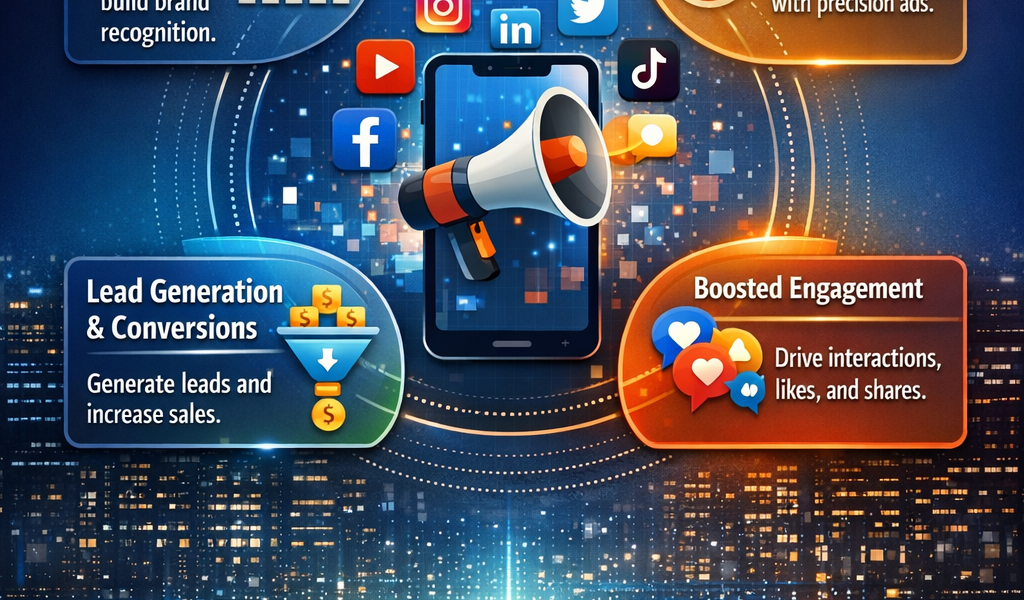
Facebook advertising is a versatile tool that supports organizations in achieving various marketing objectives across the customer journey. The primary objectives can be classified into three main categories: awareness, consideration, and conversion (Chaffey and Ellis-Chadwick, 2019). Awareness campaigns aim to introduce a brand, product, or service to a broad audience and enhance brand recognition. A small business launching a new product can use Facebook reach and brand awareness campaigns to ensure maximum visibility. For example, Coca-Cola frequently runs global Facebook awareness campaigns to reinforce brand identity, particularly around seasonal events like Christmas.
Consideration objectives encourage potential customers to engage with content, visit websites, view videos, or install apps. These campaigns help nurture prospects and provide measurable engagement insights. For example, Spotify, for instance, uses Facebook video ads to promote new playlists or features, encouraging users to interact with their platform.
Conversion objectives focus on driving specific actions such as lead generation, sales, or website conversions. Retargeting ads are particularly effective in this stage, allowing organizations to re-engage visitors who have previously interacted with their brand (Meta, 2023). Facebook’s robust analytics tools also enable marketers to monitor and optimise campaigns to achieve the desired results. By aligning advertising objectives with overall marketing goals, organizations can ensure Facebook campaigns contribute strategically to brand growth, customer acquisition, and revenue generation.
References: Chaffey and Ellis-Chadwick (2019); Meta (2023).
Q2. What are the main Facebook advertising formats available?
Facebook provides multiple advertising formats, each designed to serve different marketing objectives and audience engagement strategies. Image ads are simple yet effective, suitable for clear messaging or product showcases. For example, fashion brands like Zara use high-quality image ads to promote seasonal collections. Video ads allow brands to communicate more complex stories, demonstrations, or emotional content, increasing engagement and retention. Nike frequently uses video ads to inspire and engage audiences by highlighting athletes’ journeys. Carousel ads display multiple images or videos in a single ad, ideal for highlighting several products or features (Chaffey and Ellis-Chadwick, 2019). Amazon often uses carousel ads to promote several deals or product categories in one post. Slideshow ads combine images, text, and music to create lightweight video-like content, which is ideal for users with slow internet connections. Collection ads and Instant Experience (Canvas) ads offer immersive experiences that allow users to explore products directly within Facebook, streamlining the path from interest to conversion (Meta, 2023). Sephora has successfully used Instant Experience ads to showcase product collections and drive online purchases.
Each format provides flexibility for creativity while supporting measurable marketing goals. Selecting the right format depends on campaign objectives, audience behavior, and the type of content being promoted. Using a mix of formats allows organizations to test engagement, optimize performance, and maintain audience interest.
References: Chaffey and Ellis-Chadwick (2019); Meta (2023).
Q3. How can you target audiences when creating a Facebook advertisement?
Facebook advertising provides sophisticated audience targeting tools that allow marketers to reach precise user groups, improving campaign relevance and efficiency.
Audience targeting is one of Facebook advertising’s most powerful features, allowing marketers to deliver highly relevant content. Targeting can be based on demographics such as age, gender, location, and language, which helps brands reach appropriate market segments. For example, McDonald’s often targets location-specific campaigns for new store openings. Interest and behavior targeting allows advertisers to reach users based on hobbies, lifestyle, or purchasing behavior; for instance, Adidas targets users interested in running and fitness with new product launches. Custom Audiences let brands reconnect with users who have interacted with their website, app, or social media content. Shopify merchants commonly retarget abandoned cart users using Custom Audiences to drive sales. Lookalike Audiences expand reach by identifying users similar to high-value customers; for example, Airbnb uses lookalike targeting to find potential travelers who resemble past bookers. Facebook also allows layered targeting, combining multiple criteria to ensure ads reach the most relevant audience, reducing wasted ad spend. According to Meta (2023), campaigns with precise targeting achieve up to 35% higher engagement than untargeted campaigns. Continuous monitoring, testing, and optimizing targeting parameters help marketers maintain efficiency and improve ROI. By applying these advanced targeting strategies, organizations can deliver personalized content, increase conversions, and strengthen overall digital marketing efforts.
References: HubSpot (2023); Meta (2023).
Q4. Explain the key elements that make up a great Facebook advertisement.
A successful Facebook advertisement combines visual appeal, messaging clarity, and strategic targeting to capture attention and drive desired actions.
Visual appeal is crucial; high-quality images or videos immediately engage users scrolling through their feeds. Apple, for example, uses clean, minimalist visuals to highlight product design and innovation. Compelling copy communicates the value proposition succinctly, focusing on benefits rather than features. A strong call-to-action (CTA) directs the audience to take a specific step, such as “Shop Now” or “Sign Up.” Brand consistency—including logos, color schemes, and tone—reinforces recognition and trust. Ads should also be mobile-optimized, given that the majority of Facebook users access the platform via mobile devices. Testing and optimization are essential; A/B testing different visuals, copy, and audience segments ensures ads perform at their best. For instance, Grammarly runs multiple versions of their ads targeting different industries to determine which creative resonates most. Relevance and timing also influence success; campaigns aligned with trends or seasonal events often achieve higher engagement. According to HubSpot (2023), well-structured ads with clear messaging, strong visuals, and optimized targeting generate up to 3x more engagement than generic campaigns. By integrating these elements, marketers can produce Facebook ads that are not only visually appealing but also strategically effective, supporting broader digital marketing objectives.
References: Chaffey and Ellis-Chadwick (2019); Meta (2023).
References
Chaffey, D. and Ellis-Chadwick, F. (2019) Digital Marketing: Strategy, Implementation and Practice. 7th edn. Harlow: Pearson Education.
HubSpot (2023) The State of Marketing Report. https://www.hubspot.com/resources
Meta (2023) Facebook for Business: Advertising Overview. https://www.facebook.com/business/ads


 English